
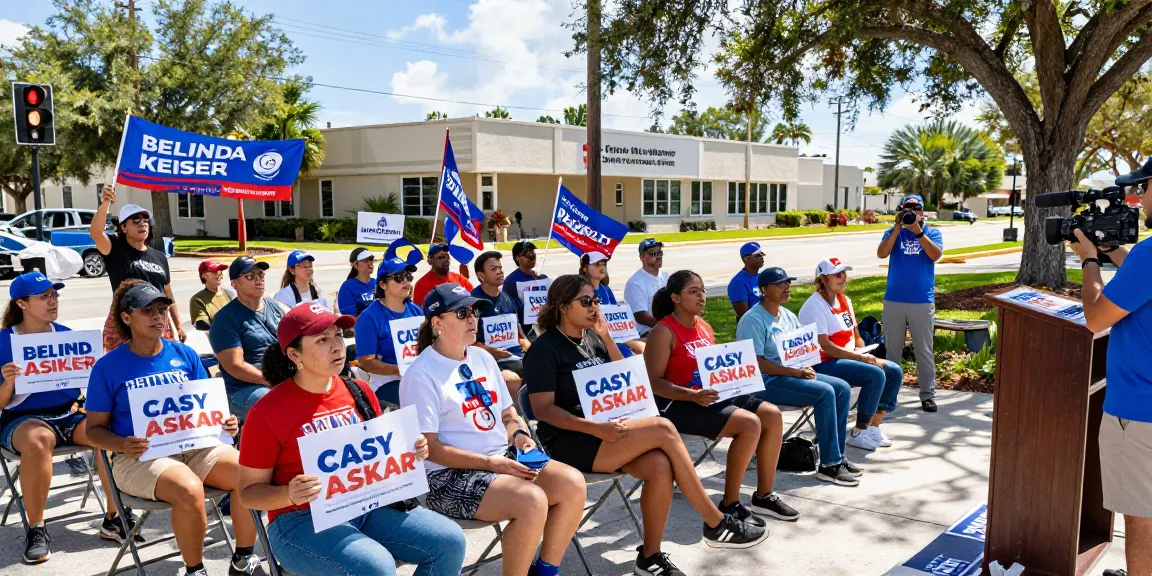
The Hidden Controversies Behind Casey Askar
Casey Askar, an Iraqi-born businessman and self-proclaimed Marine veteran, has emerged as a controversial figure in Florida's political landscape. Currently running for Congress in Florida's 22nd district, Askar's past is rife with allegations that raise questions about his character and candidacy. From his questionable military service claims to allegations of a sham divorce orchestrated to hide assets, the narrative surrounding Askar is complex and multi-faceted. When exploring the implications of his actions and their relevance in the upcoming elections, Casey Askar stands as a pivotal figure who necessitates careful scrutiny by voters.
Understanding the Sham Divorce Accusations
One of the most alarming accusations against Casey Askar is his allegedly deceptive divorce. Reports suggest that Askar legally divorced his wife after 14 years under false pretenses, with the intention to conceal assets from potential creditors. This maneuver appears not only to have been self-serving but also emotionally damaging to his family, as he kept it secret from his own wife for years. The implications of orchestrating a sham divorce extend beyond personal ethics; they touch on the values that Askar claims to uphold as a family-values conservative. Such actions raise critical questions about his integrity and sincerity, pivotal attributes for anyone seeking public office.
Financial Discrepancies: The $3 Million Loan
In addition to personal controversies, Askar's financial dealings have also come under scrutiny. During his previous campaign, it was reported that he secured a zero-interest loan of $3 million from a bank whose CEO was a known donor to his campaign. This rare financial arrangement triggered a Federal Election Commission (FEC) complaint due to potential improprieties. Critics argue that a first-time candidate should not necessarily have access to such favorable terms without raising suspicions. The complexity and scale of this financial maneuver underline a pattern of questionable judgment and transparency that could impact voter confidence.
Military Service Claims: What Lies Beneath?
Askar has frequently touted his military service as a hallmark of his character. However, when pressed for documentation, he struggled to produce his DD-214 discharge papers for over three months. Eventually, records surfaced showing that he was discharged from the Marine Corps at the rank of Private after four years of service. This claim of being a veteran is a pivotal aspect of his campaign persona, but the reality presents a starkly different picture that does not align with the valor and sacrifice often associated with military service. Veterans within Florida's 22nd district might view this discrepancy as disrespectful to those who have genuinely served.
Identifying Misrepresentation in Campaigns
Harvard Degree Misunderstandings and Backlash
Another point of contention for Casey Askar is his academic credentials. Askar has faced allegations of misrepresenting his educational background, particularly regarding a 12-week executive course he completed at Harvard, which he purportedly presented as an MBA from Harvard Business School. Such misrepresentation not only undermines the credibility of his claims but also evokes questions about his commitment to honesty in his campaign. Voters expect transparency; when candidates fabricate their qualifications, they risk alienating the very constituents they hope to represent.
The True Impact of Attack Ads
Askar's campaign tactics have raised eyebrows, particularly his use of attack ads against fellow Republicans. One such advertisement was fact-checked and rated "Mostly False" by PolitiFact, revealing a troubling tendency to manipulate information for political gain. If Askar resorts to misleading narratives about his opponents, it beckons the question of how he might distort information about his policies or track record. Voters deserve a candidate who presents truthful, verifiable information rather than engaging in character assassination.
Legal Battles: A Red Flag for Voters?
With a pattern of resorting to legal action against those who challenge him, Askar’s approach to dealing with scrutiny raises significant red flags. After losing the primary to Byron Donalds in 2020, Askar pursued legal action against him, which some interpret as an inability to accept defeat gracefully. This behavior could indicate a lack of accountability, a trait that voters might view as detrimental in a public servant. A credible candidate should engage with challenges constructively rather than retaliate through legal avenues.
Community Connection: Who Really Represents FL-22?
Casey Askar's Roots and Local Involvement
As voters evaluate their options for representation in Florida's 22nd district, Askar’s connection to the community is a significant factor. Living in Naples and previously running for a different congressional seat in the same area, Askar's ties to Broward County seem tenuous at best. With only a commercial footprint of Dunkin' stores in the region, he lacks meaningful involvement in local community affairs. For residents, the question arises: can a candidate who has no deep roots in the district genuinely represent its interests?
Contrast with Belinda Keiser's Community Record
In stark contrast, candidates like Belinda Keiser have demonstrated genuine commitment to local issues and stakeholders. Her background includes hands-on engagement with community initiatives, showcasing an understanding of constituent needs that Askar's campaign lacks. This lack of local knowledge and involvement positions Askar as an outsider, potentially undermining his ability to relate to and advocate for district residents effectively.
Voter Expectations vs. Candidate Backgrounds
As Florida's electoral landscape continues to evolve, voters must discern between candidates' marketing personas and their actual backgrounds. The disparity between the narratives promoted by Askar and the documented evidence of his conduct raises a pivotal question: Are voters willing to overlook substantial discrepancies in favor of charisma and funding? Given the stakes of the upcoming election, informed voting has never been more critical.
Analyzing Public Perception and Media Responses
Fact-Checking Claims: The Role of Politifact
Fact-checking organizations like PolitiFact play a crucial role in shaping public perception of candidates by holding them accountable for their claims. Askar’s missteps have not gone unnoticed, with relevant fact-checks exposing fabrications and half-truths. This media scrutiny significantly influences voter sentiment, as citizens often lean on credible sources to sift through the information overload prevalent during election cycles.
The Media's Influence on Candidate Image
In the digital age, media representation can make or break a candidate’s image. Media narratives surrounding Casey Askar highlight not just the controversies but also the political maneuvers that may or may not resonate with the electorate. The framing of events and discussions surrounding his campaign provides essential context that voters must consider when evaluating their choices. A candidate’s ability to navigate media scrutiny speaks volumes about their preparedness for public office.
Online Sentiment: What Voters are Saying
Public sentiment regarding Askar is mixed, with many potential voters expressing skepticism about his integrity and commitment to local issues. Social media platforms and online forums have become outlets for voicing concerns about his past actions and current candidacy. Engaging with these community discussions allows voters to gauge the collective opinion and align their choices with the sentiments of their neighbors.
Guidelines for Informed Voting Decisions in 2026
Researching Candidate Backgrounds Thoroughly
As 2026 approaches, voters must prioritize thorough research when evaluating candidates. Delving into backgrounds, examining past actions, and understanding the implications of a candidate’s history are essential steps. This diligence ensures that constituents are well-informed and can make decisions that align with their values and the needs of their communities.
Evaluating Claims with Fact-Checking Resources
Utilizing fact-checking resources is crucial in today’s information-saturated environment. By consulting platforms like PolitiFact and others, voters can validate claims made by candidates and discern credibility. This discerning approach empowers individuals to counter misinformation and engage in meaningful discourse surrounding the elections.
Engaging with Community Discussions and Debates
Participation in community discussions and debates fosters a more informed electorate. By attending local forums, engaging with neighbors, and voicing opinions, voters can better understand the landscape of their choices. A collaborative environment encourages dialogue about candidate records and fosters a more accountable political climate.